

বাংলাদেশের সেরা গেমিং প্ল্যাটফর্ম ২০২৫
নিরাপদ এবং উত্তেজনাপূর্ণ গেমিংয়ের জন্য এই উদ্ভাবনী প্ল্যাটফর্মগুলোতে যোগ দিন।
MCW LOGIN: গেমিংয়ের নতুন যুগ শুরু
প্রিমিয়াম বিনোদনের জন্য MCW LOGIN ব্যবহার করুন এবং আপনার অভিজ্ঞতা সমৃদ্ধ করুন।
CRICKEX LOGIN: উত্তেজনাপূর্ণ জগতে প্রবেশ
সেরা গেমিং অভিজ্ঞতা পেতে CRICKEX LOGIN এ লগইন করুন।
CRICKEX SIGN UP: আপনার সাফল্যের প্রথম ধাপ
উন্নত গেমিং অভিজ্ঞতার জন্য CRICKEX SIGN UP এ যোগ দিন।
CRICKEX AFFILIATE: গেমিংয়ের মাধ্যমে লাভবান হোন
গেমিং অভিজ্ঞতাকে অর্থ উপার্জনের রূপ দিতে CRICKEX AFFILIATE ব্যবহার করুন।
MCW88: বিনোদনের সেরা ঠিকানা
নিরবিচ্ছিন্ন মজা উপভোগ করতে MCW88 এ যোগ দিন।
MOSTBET লগইন: চ্যালেঞ্জ নিন এবং জিতুন
নিরবিচ্ছিন্ন অ্যাডভেঞ্চারের জন্য MOSTBET লগইন ব্যবহার করুন।
BAJI APP: আপনার পকেটের গেমিং মজা
যে কোনো সময় গেমিং উপভোগ করতে BAJI APP ব্যবহার করুন।
BAJI LIVE: সরাসরি মজার অভিজ্ঞতা
উন্নত মানের গেমিং উপভোগ করতে BAJI LIVE চেষ্টা করুন।
JEETBUZZ: Master the Action
Level up your gaming skills with JEETBUZZ, where excitement knows no limits.
JEETBUZZ LOGIN: Your Entry to Premium Gaming
Enjoy secure access to thrilling games on JEETBUZZ LOGIN, built for your satisfaction.
KRIKYA: Quality Gaming Redefined
Step into top-tier entertainment with KRIKYA, where every game is a new adventure.
KRIKYA APP: Fun Wherever You Are
Enjoy the best in gaming with KRIKYA APP, your reliable mobile gaming solution.
MOSTBET BD: Dive Into Endless Possibilities
Join the ultimate gaming experience on MOSTBET BD, crafted for non-stop excitement.
BAJI LIVE LOGIN: Unlock Premium Fun
Access top-tier games with BAJI LIVE LOGIN, your companion for thrilling adventures.
BETVISA: Where Gaming Meets Innovation
Explore innovative entertainment with BETVISA, a platform built for unforgettable experiences.
CRAZY TIME LIVE: ভবিষ্যতের গেমিং প্ল্যাটফর্ম
উদ্দীপনাময় গেমিংয়ের জন্য CRAZY TIME LIVE ব্যবহার করুন।

Dive in Year-Round: The Ultimate Guide to the Best Swimming Pool Heat Pump in India

Imagine waking up on a chilly winter morning or a cool autumn evening and diving into a pool that feels warm and inviting. No shivering, no hesitation just pure relaxation. If you own a pool, you know the challenge of keeping the water at the right temperature. That’s where a Swimming Pool Heat Pump makes a difference.
At Aqvastar, we think your pool should be a sanctuary all year long, not just in the summer. Whether you need an affordable heat pump for your backyard or a reliable system for a commercial space, this guide will help you choose the best heat pump for swimming pools in India
What is a Pool Heat Pump and Why Do You Need One?
A Pool Heat Pump is a modern pool heating system that uses electricity to capture heat from the outside air and transfer it to your pool water. Unlike a traditional electric heater that makes heat and uses a lot of power, a heat pump moves heat, making it a very energy-efficient option.
Whether you want to control the temperature for a lap pool or a family splash pad, a heat pump ensures your water is always welcoming.
Key Benefits:
Eco-Friendly: Reduces carbon footprint compared to gas heaters.
Consistent Warmth: Keeps your ideal temperature no matter the weather.
Cost-Effective: Significantly lowers operational costs compared to electric resistance heaters.
know more about Heat Pump
Heat Pump Vs Electric Pool Heater: Which Wins?
Heat Pump Vs Electric Pool Heater: Which Wins?
One of the most common questions we receive is about the comparison between heat pumps and electric pool heaters. Here’s the breakdown:
Electric Pool Heaters work like a large kettle. They heat quickly but can be expensive to run, making them suitable only for small spas or occasional use.
Swimming Pool Heat Pumps, particularly the inverter models by Aqvastar, are made for efficiency. They use much less electricity to provide the same heating.
If you are looking for an energy-saving heat pump that keeps your bills low while warming your pool, the heat pump is clearly the better choice.
Why Aqvastar Offers the Best Swimming Pool Heat Pump in India
Finding the best swimming pool heat pump in India can be challenging with so many choices. Aqvastar stands out as one of the top brands because we understand the Indian climate and how people use their pools.
Our pumps have a titanium heat exchanger core. Why titanium? It resists corrosion from pool chemicals like chlorine and salt, so your pool heater will last for years.
Features that Matter:
Pool Heat Pump With Wi-Fi: Control your pool’s temperature from your smartphone. Set it to warm up while you drive home from work!
Inverter Technology: Our inverter heat pump adjusts its speed to maintain temperature efficiently instead of running at full power all the time.
Silent Operation: Enjoy your swim without the noise of a loud machine.
Installation and Price: What to Expect
Swimming Pool Heater Cost
Many customers are concerned about the price of pool heat pumps. While the initial cost may be higher than a basic electric heater, the long-term savings are substantial. We offer a variety of models to meet different needs, including an affordable line that does not sacrifice quality.
Swimming Pool Heat Pump Installation
Wondering how to install pool heat pump units? It’s a simple process, but it requires professional help to ensure maximum efficiency.
Placement: The unit needs good airflow, which is usually outdoors.
Plumbing: It connects to your existing pump and filter system.
Power: It needs a dedicated electrical connection.
Note: For the best results, always depend on professional swimming pool heat pump installation services to avoid voiding warranties.
Maintenance and Troubleshooting
A good pool heating system requires minimal care, but a little attention makes a difference.
Pool Heater Maintenance: Regularly inspect airflow vents for leaves and debris. Keep your pool filter clean to ensure good water flow to the heater.
Pool Heat Pump Troubleshooting: If you notice the water isn’t heating, check your flow rate first. Often, a dirty pool filter is the issue, not the pump itself.
Service: Looking for swimming pool heat pump service near you? Aqvastar provides dedicated support and spare parts to keep your unit running smoothly.
Explore our swimming pool equipment collection”
Conclusion
Investing in a heat pump for home swimming pools is an investment in your lifestyle. It transforms a seasonal luxury into a year-round joy. With Aqvastar, you get the reliability of a titanium heat exchanger pool heater, the convenience of Wi-Fi control, and the peace of mind of buying from a trusted Indian brand.
Know more about Aqvastar’s water technology expertise
Ready to extend your swimming season? Contact Aqvastar today to find the perfect pool heater for your needs!
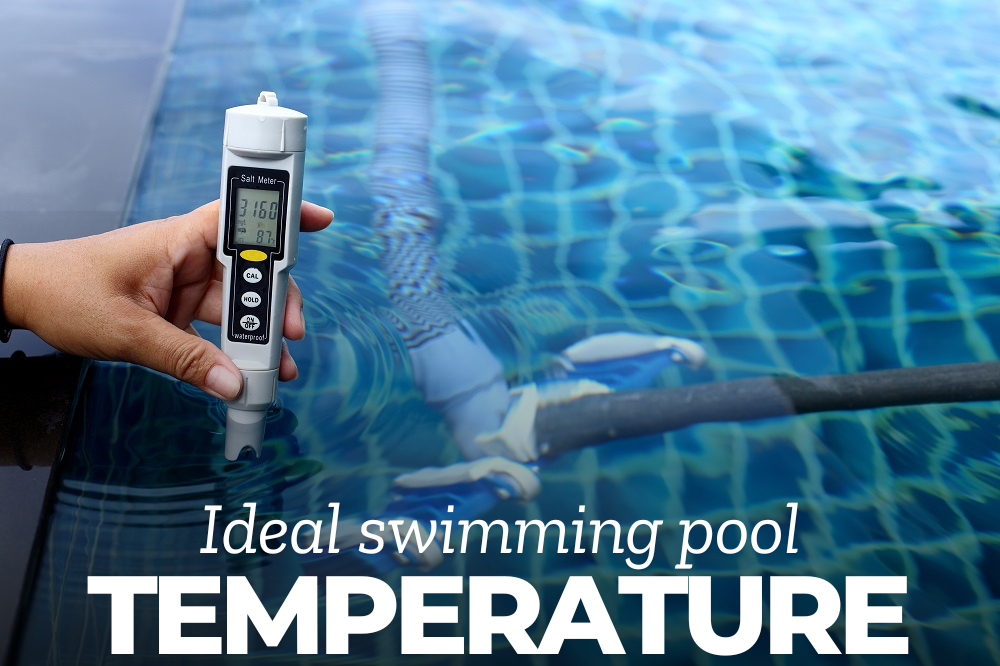
What is the Ideal Swimming Pool Temperature | Best Guide for your swimming pool
What is the Ideal Swimming Pool Temperature?
A comfortable swimming pool temperature can make all the difference in your swimming experience. Whether you’re taking a relaxing dip, training for fitness, or hosting a pool party, the water temperature plays a crucial role in ensuring comfort, safety, and efficiency. But what is the ideal swimming pool temperature? Let’s explore the perfect temperature for different types of pools and swimmers.
What is the Perfect Swimming Pool Temperature?
The recommended temperature for a swimming pool depends on the intended use. Here are some general guidelines:
- Recreational Swimming: The optimal swimming pool temperature for general swimming and relaxation is around 78°F to 82°F (25°C to 28°C). This range is comfortable for most swimmers and helps maintain energy levels without feeling too cold or too warm.
- Lap Swimming & Fitness Training: Competitive swimmers often prefer a cooler pool, around 77°F to 80°F (25°C to 27°C), as colder water helps reduce fatigue and prevents overheating during intense workouts.
- Therapeutic & Hydrotherapy Pools: If the pool is used for rehabilitation or therapy, the temperature should be higher, around 86°F to 92°F (30°C to 33°C), to soothe muscles and improve blood circulation.
- Children’s Pools: Kids tend to feel the cold more than adults, so a slightly warmer temperature of 82°F to 86°F (28°C to 30°C) is recommended to keep them comfortable.
What is the Ideal Outdoor Pool Temperature?
Outdoor pools are more affected by weather conditions, wind, and sunlight exposure. The best outdoor pool temperature should be around 78°F to 84°F (25°C to 29°C), allowing swimmers to stay comfortable without excessive heat loss from evaporation. Using a pool heater or a solar cover can help maintain this temperature, especially during cooler nights or off-seasons.
What is a Good Swimming Pool Water Temperature for Different Seasons?
- Summer: Warmer weather naturally heats the pool, so maintaining a temperature around 78°F to 82°F (25°C to 28°C) is ideal.
- Winter: If you’re using a heated pool, aim for 82°F to 86°F (28°C to 30°C) for a comfortable swim.
- Spring & Fall: A moderate temperature of 80°F to 84°F (26°C to 29°C) works well to balance warmth and energy efficiency.
Why is Maintaining the Right Pool Temperature Important?
- Comfort & Enjoyment – A properly heated pool ensures a pleasant swimming experience.
- Safety – Extremely cold water can cause shock, while excessive heat can lead to overheating.
- Energy Efficiency – Heating a pool above the recommended range increases energy costs.
- Water Quality – Consistent temperatures prevent algae growth and chemical imbalances.

How to Maintain the Optimal Swimming Pool Temperature?
- Use a Pool Heater: Electric, gas, or solar-powered heaters help regulate temperature effectively.
- Install a Pool Cover: Reduces heat loss and retains warmth overnight.
- Monitor Pool Temperature: Using a digital thermometer ensures the water stays within the ideal range.
- Consider Pool Location & Weather: Shade, wind exposure, and climate all influence water temperature.
Conclusion
The ideal swimming pool temperature depends on the type of pool and the swimmer’s needs. For general recreational swimming, 78°F to 82°F (25°C to 28°C) is considered perfect. Outdoor pools require careful monitoring to adjust to changing weather conditions. By maintaining an optimum swimming pool temperature, you can enhance comfort, improve safety, and ensure an enjoyable swimming experience year-round.
For the best pool heating solutions and expert advice, trust Aqvastar – your go-to brand for premium pool equipment and accessories! 🌊💙

Ultimate Pool Heating Guide: Best Pool Heat Pumps Explained

Introduction
If you’re looking for an efficient way to keep your pool warm year-round, heat pumps are one of the best options available. They provide reliable heating while being energy-efficient and environmentally friendly. In this ultimate guide, we’ll dive into everything you need to know about pool heat pumps, how they work, their benefits, and how to choose the right one for your pool.

What is a Pool Heat Pump?
A pool heat pump is a type of pool heater that extracts heat from the surrounding air and transfers it to your pool water. Unlike traditional electric heaters, heat pumps do not generate heat directly. Instead, they use electricity to operate a compressor and heat exchanger, making them an energy-efficient choice for pool owners.
How Does a Pool Heat Pump Work?
- Air Intake – The heat pump draws in warm air from the environment.
- Heat Absorption – The air passes over an evaporator coil filled with a special refrigerant.
- Compression – The refrigerant absorbs the heat and is compressed, increasing its temperature.
- Heat Transfer – The heated refrigerant passes through a heat exchanger, transferring warmth to the pool water.
- Water Circulation – The heated pool water is pumped back into the pool, gradually raising its temperature.
Benefits of Using a Pool Heat Pump
✅ Energy Efficiency – Heat pumps use the ambient air to heat the pool, consuming far less energy than traditional electric heaters.
✅ Cost Savings – While the upfront cost may be higher, the long-term savings on energy bills make heat pumps a cost-effective solution.
✅ Eco-Friendly – Since heat pumps use renewable heat from the air, they have a much lower carbon footprint compared to other heating options.
✅ Durability & Longevity – With proper maintenance, pool heat pumps can last 10-15 years, making them a great investment.
✅ Consistent Heating – Unlike other heating options that depend on the sun, heat pumps work efficiently even in cloudy weather.
Choosing the Right Pool Heat Pump
When selecting a heat pump for your pool, consider the following factors:
1. Pool Size & BTU Rating
The larger your pool, the more heating power you’ll need. Heat pumps are rated in BTUs (British Thermal Units). A rough guideline is:
- Small Pools (Up to 10,000 gallons): 50,000–75,000 BTU
- Medium Pools (10,000–20,000 gallons): 75,000–100,000 BTU
- Large Pools (20,000+ gallons): 100,000+ BTU
2. Climate & Air Temperature
Heat pumps work best in temperatures above 50°F (10°C). If you live in a cooler climate, you may need a higher BTU model or a cold-weather heat pump designed for low temperatures.
3. Energy Efficiency (COP Rating)
The Coefficient of Performance (COP) measures a heat pump’s efficiency. A higher COP means greater efficiency. Look for models with a COP of 5.0 or higher for the best energy savings.
4. Installation & Space Requirements
Ensure you have enough space around your pool equipment pad for proper airflow. Most heat pumps require at least 24-36 inches of clearance around the unit.
5. Additional Features
- Digital Controls – Allows for precise temperature adjustments and scheduling.
- Titanium Heat Exchanger – Offers better corrosion resistance for saltwater pools.
- Dual Thermostat – Useful if you have a spa in addition to your pool.
Installation & Maintenance Tips
Professional vs. DIY Installation
While some pool owners opt for DIY installation, it’s best to have a professional handle the setup to ensure proper electrical and plumbing connections.
Regular Maintenance
✔ Clean the air intake and evaporator coils regularly.
✔ Check for debris around the unit to maintain airflow.
✔ Monitor water chemistry to prevent scale buildup inside the heat exchanger.
✔ Inspect electrical connections and refrigerant levels annually.
Conclusion
Investing in a pool heat pump is a smart choice if you want an efficient, cost-effective, and environmentally friendly way to keep your pool warm. By choosing the right size, understanding maintenance needs, and optimizing installation, you can enjoy a perfectly heated pool all season long.
For the best pool heat pumps, visit Aqvastar.com and explore our top-rated heating solution!
Selection of Heat Pump for Pool Heating | Best Heat Pump for you pools | Aqvastar
In this blog we guide you How to do Selection of Heat Pump for Pool Heating based on pool size, energy efficiency, climate, and cost. Whether you have an inground or above-ground pool, this guide will help you make an informed choice for optimal heating.
Read More
How to Maintain Heat in your Swimming pool | Here are Some Effective Methods | Aqvastar
How to Maintain Heat in Your Swimming Pool: Best Methods & Trends in India
A warm swimming pool enhances comfort, extends your swimming season, and allows you to enjoy the water even during colder months. In India, where temperature fluctuations can impact pool water warmth, it’s crucial to explore the best ways to maintain heat efficiently. From pool heat pumps to creative DIY methods, let’s dive into the most effective and trending solutions.
1. Use a Pool Heater for Consistent Warmth
Investing in a pool heater is one of the most effective ways to keep your swimming pool warm. These heaters come in electric variants and are designed to maintain a comfortable water temperature, ensuring year-round usability.

2. Pool Heat Pumps: Energy-Efficient Heating
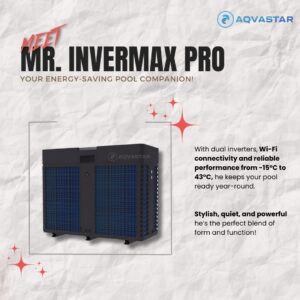
A pool heat pump extracts heat from the air and transfers it to your pool, making it an energy-efficient option. This method is gaining popularity in India due to its long-term cost savings and effectiveness, even in moderate temperatures.
3. Redneck Ways to Heat a Pool
If you’re looking for unconventional or DIY methods, here are some “redneck ways to heat a pool”:
- Black Hose Trick: Lay a long black hose under the sun, circulate pool water through it, and let the sun naturally warm it up.
- Floating Thermal Covers: These help trap heat and keep the pool warmer.
- Fire Pit or Wood Burning Heater: Some people use homemade fire pits with copper tubing to warm the water, but this method requires caution.
4. How to Heat a Pool Fast
Sometimes, you need instant warmth. Here’s how to heat your pool fast:
- Use an electric pool heater for quick results.
- Cover the pool with a thermal blanket to trap heat.
- Turn on a pool heat pump and run it during the warmest part of the day.
5. How to Maintain Heat in a Swimming Pool During Winter
Winter can make pool heating a challenge, but here’s how to maintain heat in your swimming pool in winter:
- Use a pool cover to prevent heat loss.
- Install windbreaks around the pool to block cold air.
- Keep the pool heat pump running at a lower setting to maintain a steady temperature.
6. Additional Tips for Maximizing Pool Heat Retention
In addition to using pool heaters and heat pumps, simple changes in pool maintenance can also help retain warmth. Regular pool cleaning is essential, as debris and dirt can block heat absorption. Using insulated pool covers not only prevents heat loss but also minimizes evaporation, which is one of the biggest causes of heat reduction.
Positioning your pool strategically—such as placing it in an area with good sun exposure and minimal wind—can naturally help in maintaining a warmer temperature. Installing dark-colored pool liners can also absorb and retain heat better than lighter ones. Furthermore, maintaining the right water chemistry and circulation ensures even heat distribution, making the entire pool comfortable. By combining these small yet effective methods, you can enjoy a warm and inviting swimming experience without excessive energy consumption.
7. Smart Pool Technology: The Future of Pool Heating
With the rise of smart pool technology, maintaining the perfect pool temperature has become easier than ever. Smart pool heaters and heat pumps can be controlled via mobile apps, allowing you to schedule heating times and monitor energy usage. Automated thermal pool covers help trap heat efficiently with minimal manual effort. Additionally, modern energy-efficient pool pumps circulate water effectively while maintaining warmth, reducing overall heating costs. For those looking to reduce their carbon footprint, integrating smart heating solutions with weather forecasting features can optimize heating schedules based on temperature fluctuations. The Indian market is gradually adopting these technologies, making pool maintenance smarter, cost-effective, and hassle-free.
8. Conclusion
Keeping your swimming pool warm doesn’t have to be expensive or complicated. Whether you choose a pool heat pump, pool heater, or creative DIY methods, maintaining warmth efficiently ensures a longer swimming season. If you’re into creative solutions, redneck ways to heat a pool can be fun alternatives. By incorporating smart technology and simple heat retention techniques, you can enjoy a perfectly warm pool throughout the year with minimal energy consumption.
Explore the best heating method that suits your budget and climate, and enjoy a comfortable swimming experience year-round!
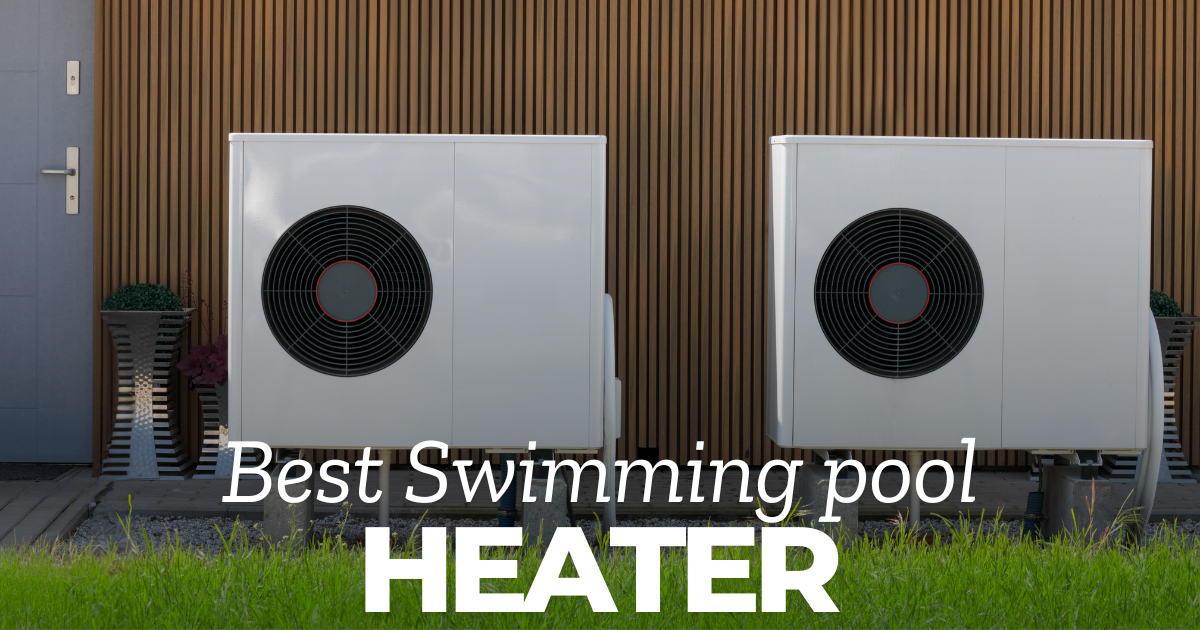
How to Heat Your Swimming Pool with best swimming pool heater | Aqvastar
How to heat your swimming pool
Read More