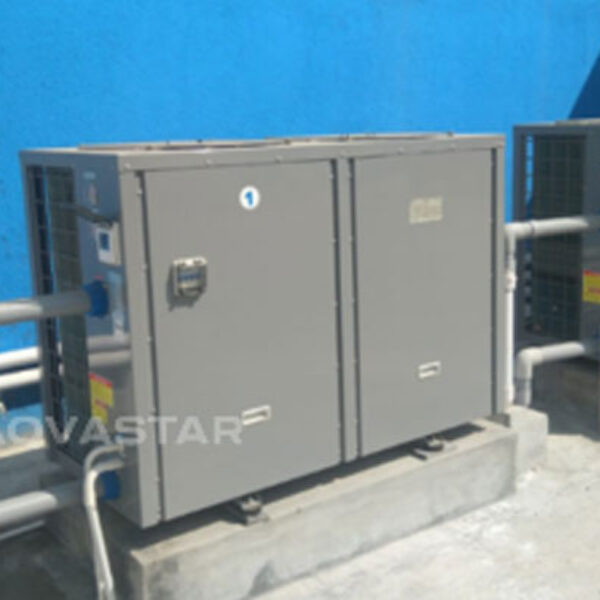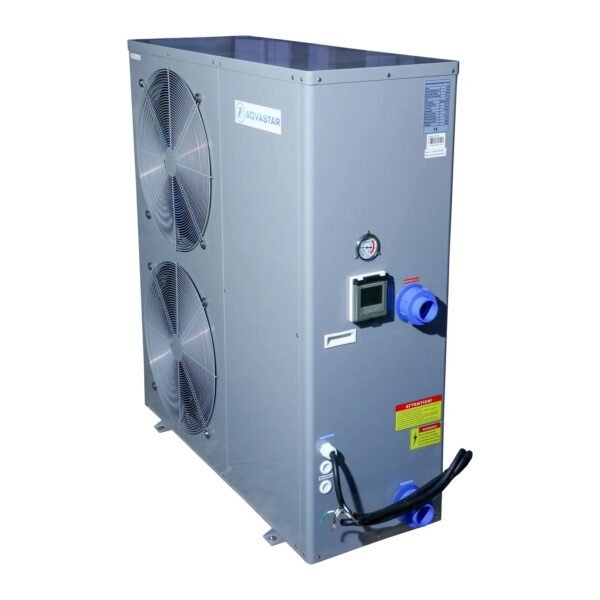


If you’re looking for an efficient way to keep your pool warm year-round, heat pumps are one of the best options available. They provide reliable heating while being energy-efficient and environmentally friendly. In this ultimate guide, we’ll dive into everything you need to know about pool heat pumps, how they work, their benefits, and how to choose the right one for your pool.
A pool heat pump is a type of pool heater that extracts heat from the surrounding air and transfers it to your pool water. Unlike traditional electric heaters, heat pumps do not generate heat directly. Instead, they use electricity to operate a compressor and heat exchanger, making them an energy-efficient choice for pool owners.
✅ Energy Efficiency – Heat pumps use the ambient air to heat the pool, consuming far less energy than traditional electric heaters.
✅ Cost Savings – While the upfront cost may be higher, the long-term savings on energy bills make heat pumps a cost-effective solution.
✅ Eco-Friendly – Since heat pumps use renewable heat from the air, they have a much lower carbon footprint compared to other heating options.
✅ Durability & Longevity – With proper maintenance, pool heat pumps can last 10-15 years, making them a great investment.
✅ Consistent Heating – Unlike other heating options that depend on the sun, heat pumps work efficiently even in cloudy weather.
When selecting a heat pump for your pool, consider the following factors:
The larger your pool, the more heating power you’ll need. Heat pumps are rated in BTUs (British Thermal Units). A rough guideline is:
Heat pumps work best in temperatures above 50°F (10°C). If you live in a cooler climate, you may need a higher BTU model or a cold-weather heat pump designed for low temperatures.
The Coefficient of Performance (COP) measures a heat pump’s efficiency. A higher COP means greater efficiency. Look for models with a COP of 5.0 or higher for the best energy savings.
Ensure you have enough space around your pool equipment pad for proper airflow. Most heat pumps require at least 24-36 inches of clearance around the unit.
While some pool owners opt for DIY installation, it’s best to have a professional handle the setup to ensure proper electrical and plumbing connections.
✔ Clean the air intake and evaporator coils regularly.
✔ Check for debris around the unit to maintain airflow.
✔ Monitor water chemistry to prevent scale buildup inside the heat exchanger.
✔ Inspect electrical connections and refrigerant levels annually.
Investing in a pool heat pump is a smart choice if you want an efficient, cost-effective, and environmentally friendly way to keep your pool warm. By choosing the right size, understanding maintenance needs, and optimizing installation, you can enjoy a perfectly heated pool all season long.
For the best pool heat pumps, visit Aqvastar.com and explore our top-rated heating solution!