
Clean water is no longer just about clarity—it’s about safety, sustainability, and long-term health. In 2026, a clear shift is underway across industries, from hotels and swimming pools to industrial systems and modern homes: UV-C water disinfection is replacing traditional chemical-based methods such as chlorine.
This isn’t just a trend—it’s a response to growing concerns about chemical exposure, operational costs, and environmental impact.
Let’s break this down in a simple, human way.
💧 What is UV-C Water Disinfection?
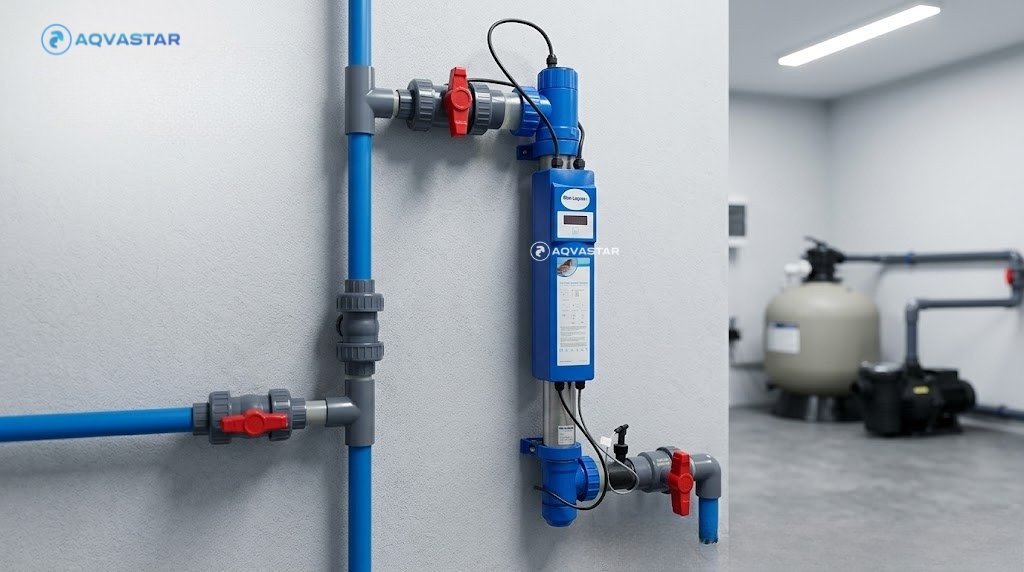
UV-C (Ultraviolet-C) technology is a physical water treatment process that uses high-intensity ultraviolet light (around 254 nm wavelength) to destroy harmful microorganisms.
When water flows through a UV chamber:
UV light penetrates microorganisms
It damages their DNA and RNA
They lose the ability to reproduce or infect
This means bacteria, viruses, and algae are neutralised instantly—without adding anything to the water
👉 Think of it like a silent security system—it doesn’t change the water, it just eliminates the threats.
⚠️ The Problem with Traditional Chemical Disinfection
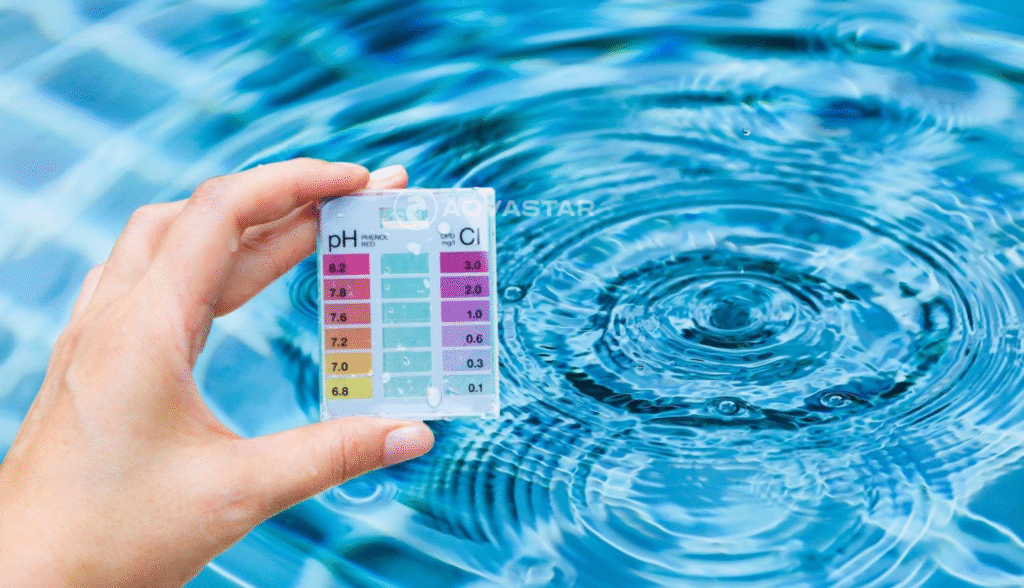
For decades, chlorine has been the go-to solution for water disinfection, especially in swimming pools.
Yes, it works—but it comes with serious drawbacks:
❌ Common Issues with Chlorine
Strong chemical smell
Skin and eye irritation
Formation of harmful by-products (chloramines)
Continuous chemical cost and maintenance
In fact, chlorine reacts with contaminants in water to form chloramines, which are responsible for irritation and that typical “pool smell”
Even worse, some microorganisms (like Cryptosporidium) are resistant to chlorine, making it less reliable in certain conditions
⚡ Why UV-C is Replacing Chemicals in 2026
The shift toward UV-C is happening because it solves many of the problems chemicals create—without adding new ones.
✅ 1. Chemical-Free & Safe
UV-C does not add anything to water. No taste, no smell, no residue.
No harmful by-products
No chemical handling risks
Safer for skin, eyes, and lungs
UV systems are considered eco-friendly and sustainable alternatives to chlorine
✅ 2. Superior Microbial Control
UV-C doesn’t just match chlorine—it often outperforms it.
Kills bacteria, viruses, and algae
Destroys chlorine-resistant pathogens
Up to 99.99% disinfection efficiency
This makes it ideal for high-performance environments like hotels, resorts, and commercial pools.
✅ 3. Reduced Chemical Dependency
Let’s be practical—UV doesn’t eliminate chlorine in pools, but it significantly reduces it.
Up to 50% less chlorine usage
Lower maintenance costs
Less chemical storage and handling
This is why modern systems use UV as the primary disinfection layer, with minimal chemical backup.
✅ 4. Better Water Quality & Experience
This is where users actually feel the difference:
No burning eyes
No dry skin
No strong smell
Crystal-clear water
UV also breaks down chloramines, improving both water and air quality
✅ 5. Long-Term Cost Efficiency
At first, UV systems may seem expensive—but zoom out:
Lower chemical costs
Reduced maintenance
Longer equipment life
Over time, UV systems become more cost-effective than traditional methods
🏊 Real-World Example: Modern UV Pool Systems (Like Aqvastar)
If you look at modern systems like those on Aqvastar’s UV swimming range, you’ll notice how advanced the technology has become.
Typical features include:
High-intensity UV-C lamps for maximum disinfection
Stainless steel chambers (SS 316L) for durability and efficiency
Optimised flow design for better exposure
Electronic ballast systems for stable performance
These systems are designed not just to clean water—but to do it efficiently, consistently, and safely.
In commercial setups like hotels and luxury pools, this matters a lot. Guests don’t just want clean water—they want a premium experience.
🌍 Why Industries Are Rapidly Adopting UV-C
This shift is not random—it’s driven by real needs.
🏨 Hotels & Resorts
Better guest experienceNo chlorine smell complaints, Premium positioning
🏢 Commercial Facilities
Compliance with safety standards, reduced downtime from contamination
Lower operational costs
🏡 Modern Homes & Villas
Health-conscious living
Eco-friendly solutions
Low-maintenance systems
Globally, UV is now seen as a next-generation standard in water treatment.
⚖️ UV vs Chlorine: The Reality
Let’s be honest—UV isn’t about completely replacing chlorine overnight.
👉 The smartest systems combine both:
UV handles primary disinfection
Minimal chlorine provides residual protection
This hybrid approach delivers:
Maximum safety
Minimum chemicals
Best user experience
And that’s exactly why UV is leading the transition in 2026.
🚀 The Future of Water Disinfection
The direction is clear.
People are no longer satisfied with “just clean” water—they want:
Safe water
Chemical-free experience
Sustainable solutions
UV-C technology checks all these boxes.
As awareness grows and technology improves, UV systems will become:
More affordable
More efficient
More widely adopted
In a few years, relying only on chemicals like chlorine will feel outdated—just like using basic filtration without purification today.
💡 Final Thoughts
If you’re still depending entirely on chemical disinfection, it’s worth rethinking.
UV-C is not just an upgrade—it’s a fundamental shift in how we treat water.
👉 Cleaner
👉 Safer
👉 Smarter
And honestly, once you experience UV-treated water, going back to heavy chemicals doesn’t feel right.
Upgrade your water treatment system with Aqvastar and experience the future of disinfection.
👉 Visit: https://aqvastar.in