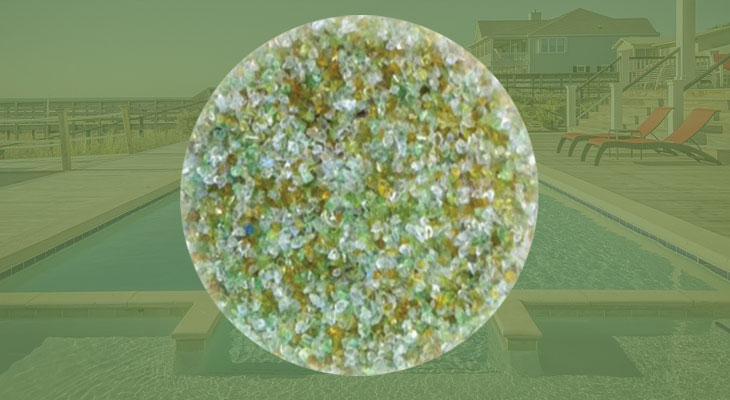
In this article, we will discuss the advantages of using glass filter media, an essential product offered by swimming pool equipment suppliers, in your filter. Glass filter media operates similarly to sand filter media, effectively capturing debris, dirt, and contaminants in the pool water as it passes through the fine glass particles.
Glass filter medias are made from grains of recycled glass. It can be used in media filter to keep debris and bacteria out of your pool. As the water passes through the glass media, it captures the debris using negative charge. The clean water is then pushed back to the pool through return inlets. Glass filter media proves to be more effective than sand media, cartridge filters, and diatomaceous earth (DE) filters, making it a sought-after swimming pool product.
Reduce pool maintenance
Bacterial growth prevention
Long-lasting and sustainable
Better water clarity
Reduces backwashing duration and frequency
Economical
Conclusion
As a result, the water filtered through glass media is clearer, safer, and more aesthetically pleasing, significantly enhancing overall user satisfaction. Glass filter media offers numerous benefits for water filtration systems, making it a top choice for pool owners, water treatment facilities, and various other applications.
Its superior ability to trap even the smallest particles and contaminants ensures that pool water remains consistently clean, healthy, and inviting. This not only helps reduce the need for frequent maintenance and cleaning but also minimizes the use of harsh chemicals, leading to lower operational costs. Additionally, the long lifespan of glass filter media, often requiring replacement only every 8-10 years, provides long-term savings compared to other filter options that need more frequent maintenance and replacement.
The eco-friendly nature of glass, being made from recycled materials, contributes to a more sustainable filtration solution, reducing landfill waste and minimizing the environmental impact of pool maintenance. As advancements continue in water treatment technologies, glass filter media are poised to play an increasingly important role in ensuring the provision of clean, safe, and environmentally friendly water for both residential and commercial applications.
Its efficiency, durability, and sustainability make it a future-proof solution for maintaining high-quality water standards. With its ability to deliver clearer, healthier water while reducing the frequency of maintenance and chemical usage, glass filter media is set to become a cornerstone of modern water filtration systems, offering both environmental and cost-saving benefits for years to come.

Learning about pool crucial components of a swimming pool can be immensely beneficial for both you and your pool. It will aid you in maintaining it on a daily basis and prove useful in tackling any issues that may arise from time to time.
Maintaining your pool can be a difficult task without a good understanding of its anatomy so stay here we discuss below about the anatomy of swimming pools.
Skimmer Pool :

Overflow Pool :

Eight Essential Pool Parts
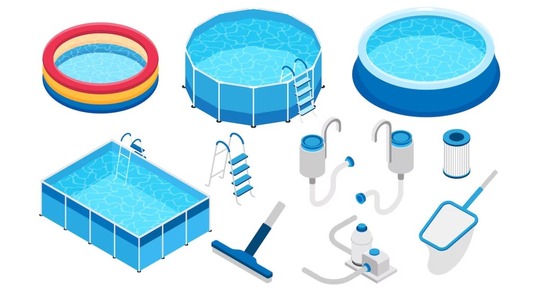
All pools share the same fundamental eight parts, regardless of any additional equipment or accessories that may be purchased.
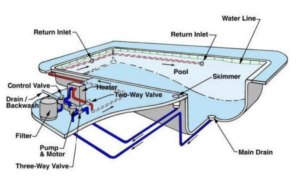
Once you have an understanding of the function of each pool component, it will become evident why some are placed on the suction side of the pool, while others are on the delivery side of the filter.
The Suction Side
This is the side of the pool that sucks in water and pushes to the filtration system, beginning the circulation process.
Skimmers
These are plastic buckets that built into the side of the pool to house skimmer baskets, which are there to catch larger debris such as leaves, twigs, bugs, and anything else that’s too large to go through your filter
When pool water enters the skimmer, it commences its journey through the pool’s filtration system
Overflow fittings/ channel
If it is an overflow pool, a channel would be placed on the pool water level to allow water to circulate around.
Main Drain
Typically situated in the floor of the pool’s deep end, the main drain is seldom used to drain the pool. Its usual role is the same as the skimmers, but it operates from the bottom of the pool, resulting in more effective circulation by drawing water from both the top via the skimmers and the bottom via the main drain.
Note: To minimize suction force in the event of a blockage of one of the drains by an object or person, newer inground pools are often equipped with two main drains as a safety feature. In contrast, older inground pools may not have two main drains, making pool safety practices even more important.
Vacuum point
A point connects with pipes to pump suction for manual cleaning.
Suction Lines
Typically constructed of UPVC, these pipes carry the pool water from the skimmer to the pump. Additionally carry water from main drain and vacuum point.
The Filtration System
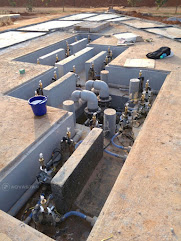
The filtration system comprises the pool pump and pool filter.
The Pump
Pool water doesn’t just fall into the skimmers. The pool pump contains an impeller, which spins fast enough to create a vacuum that pulls the water into the filtration system.
Pool pumps are categorized by their horsepower since the impeller is powered by a motor. Typically, these pumps come in sizes ranging from ¾ to 3 horsepower. The appropriate pump size you need will vary depending on the size of your pool. The larger the pool, the more horsepower the pump will need to move the higher volume of water.
The pump alters the force exerted on the water from pulling to pushing as it passes through. The pump then pushes the water into the filter.
The Filter
Although sanitizers such as chlorine can eliminate viruses and bacteria, they only perform half the task of purifying the water. The filter completes the remaining process by removing fine debris, tiny particles, and in some cases, even bacteria that might have bypassed the sanitizer.
Pool filters are available in various types as media which determines the quality of cleaning. Sand, Glass media, Glass beads are few used in great extent. Each of them has its own pros and cons, but all are effective and easy to maintain.
The Delivery Side
This side of the pool pushes water from the filtration system back into the pool, completing the circulation process.
Return Lines
The opposite of the suction lines, but also made of UPVC, they carry pool water from the filter to the return inlets.
Return Inlets
After the water has been filtered and passed through the return lines, it makes its way to the return inlets, where it is reintroduced back into the pool.
The return inlets in the pool have a dual function – not only do they facilitate the re-entry of water back into the pool, but they also push the water around the pool. This aids in directing water towards the skimmers and any surface debris, allowing it to be collected in the skimmer basket.
Tip: To achieve that circulation in the pool, and if there are two or more return inlets, it is advisable to angle some of them downwards towards the floor in a specific direction, either left or right. This helps to create a circular flow and aids in dislodging debris from the bottom of the pool by directing the inlets downwards.
Additional Equipment
Pool Heater
While not considered an essential part of a swimming pool, a pool heater can enhance your swimming experience by providing warmth and extending your pool season. It doesn’t, however, contribute to the pool’s filtration or circulation processes.
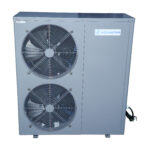
You can find pool heaters suitable for both in-ground and above-ground pools, and there are several heating methods available to choose from, including natural gas, propane, electric, and solar. And they work more efficiently with a solar pool cover.
Heating your pool is worth considering if you’re not fond of cold water or wish to prolong your swimming season.
Chemical Feeder
This handy little piece of equipment simplifies the pool sanitization process. You only need to fill it with the specific sanitizer that the feeder is designed to use, such as chlorine, bromine, or a mineral cartridge, connect it, and then not have to worry about adding sanitizer for a while.
This is the last piece of equipment in your filtration line. The order of equipment is as follows:
Important: When connecting both a pool heater and a chemical feeder to your filtration system, it’s crucial to ensure that they are installed in the correct order. The water should pass through them in the following sequence:
If the chemical feeder is positioned before the heater, the chemical-laden water can damage the heater over time.
Conclusion
By understanding the basic anatomy of a pool, you can ensure proper maintenance for a clear and clean pool all season long, allowing you and your loved ones to fully enjoy it.


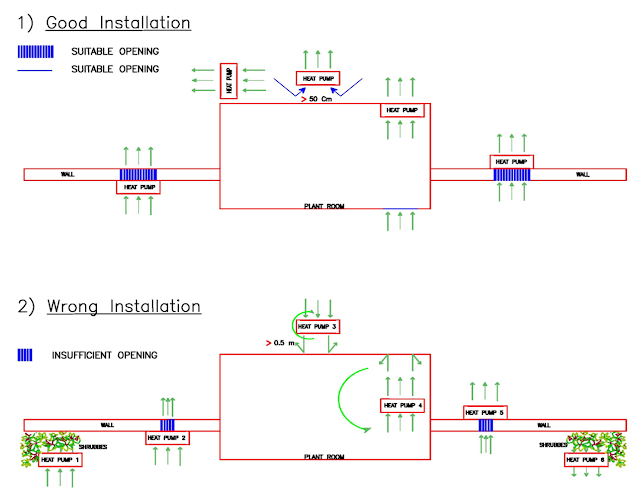
Best installation practices been given below.


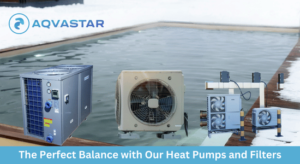
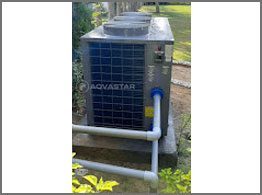
Heat pumps play an important part in keeping your pool’s water temperature stabilized either in your house or your commercial pool. For small and large commercial buildings, heat pumps are an economical solution for heating pools to maintain proper temperature all year long, even in the off season. They offer affordable heating options, which is why they ensure reliable and comfortable swimming conditions, whatever the state of the weather, since they come to fit pools of any shape and size.
For people who like to balance cost and performance, the inverter heat pumps are an advanced system that operates energy usage on demand for more efficiency. Once included in the regular maintenance schedule, pool owners must include installation of a dependable residential or commercial heat pump to achieve year round comfort and operating efficiency from the pool.
To keep it well during the winter, your pool must last a long time and be safe. The most common form of improper maintenance that can occur when the pool is not in use is when it is left out of maintenance and will leave you with costly repairs or equipment failure. Even when your pool isn’t being used frequently, follow these important maintenance procedures:
• Clean and cover your pool: If you have a manual pool cover and roller, use them to remove debris and halts the spread of algae in your pool. By ensuring that clean warm water enters your swimming pool heat pump, you will be able to prevent using excessive energy in delivering unclean water to your swimming pool heat pump. Routine cleaning also saves on needless wear and tear and can even reduce total cost of the heat pump for a swimming pool.
• Run your pool equipment: Running your pumps and filters for a few hours a day is enough to keep them running. When considering whether your heat pump is located in Spain, in the UK or India, you want it to run consistently thus, for maximum heating efficiency and water quality preservation. Perhaps keeping your equipment in good quality can make the total heat smaller.
• Inspect and balance chemicals: To reduce scaling or corrosion, determine the chemical concentration of water often. Heat pumps used in inground pools are most effective when water chemistry is stable thus reduces the risks of causing harm to other heating systems or your swimming pool heater India.
• Use a robotic pool cleaning: Depending on the model, a robotic pool cleaner allows you to forego cleaning the pool by scrubbing and vacuuming, ensuring that your solar or conventional heat pump channel its efforts to maintaining optimum temperature. This also help to prolong the life of your pool heat pump and reduce the frequency of cleaning.
• Perform routine inspections: If the inspected object is the heat pump of your swimming pool system, or any structural component of your swimming pool, timely identification of potential problems is critical. Regular check-ups will also allow potential pool proprietors in India as well as those seeking the best heat pump for a swimming pool in India save on costly repair bills or replacement of faulty parts.


Why is it necessary to cover my pool?
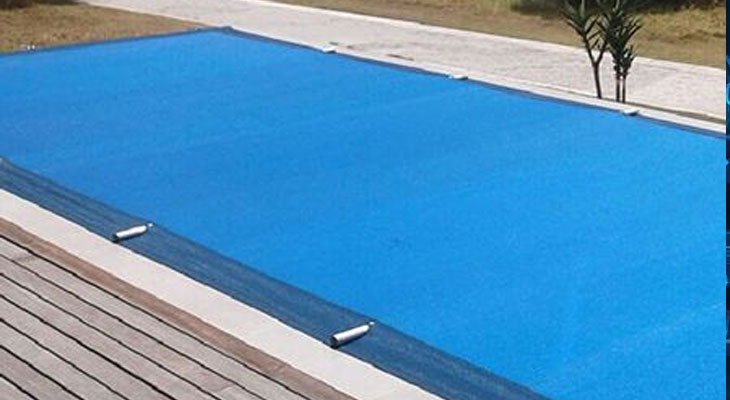
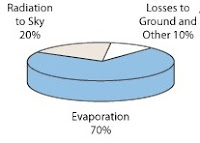
It may come as a shock to you that 75 percent of heat loss occurs through evaporation in case of a swimming pool. This is where a pool cover, either solar or a pool cover with slats that can be opened and closed is helpful. Heating efficiency is conserved by pool coverings and besides they act as a shield since they minimize evaporation. To be more detail, using a solar pool cover lets you get up to 80 percent discount in the cost of heating your pool. Thus, getting one is the best decision for energy saving, no matter whether you typed ‘pools covers near me’ or searching for an automatic pool covers.
Energy losses in swimming pools are mainly due to evaporation. The following shows the distinct areas that indoor and outdoor pools are known to loss energy together with how covers can reduce them.
A)Energy Loss in Outdoor Pools:

The amounts of heat losses in outdoor swimming pools are chiefly lost by temperature difference of the pool water, air temperature, relative humidity, and wind velocity. Higher quality water, temperature, wind speeds and humidity speeds up the evaporation process in pools. To reduce this loss, you can install some windbreaks including trees or fences for instance you know when you are dwarfing your plants, there is a big loss when winds blows. As long as they don’t block out light or create ripples, they are perfectly fine and should remain the occupants’ responsibility. As to windy parts of the region, a manual or solar cover does wonders to reduce the need to constantly heat the water in the pool.
B)Energy Loss in Indoor Pools:

Indoor pools on the other hand though do not experience the physical challenges of the environment they always use up energy in evaporation. Another feature is also crucial for indoor swimming pools, humidity control due to evaporation of water during swimming. A pool cover reduces evaporation and thus less frequent airing is called for or energy costs are brought down. Seamless or part-geomax automatic or manual cover roller has potential to reduce energy costs by 50 per cent to 70 per cent and is also beneficial in preventing conditioning and ventilation inside swimming pool hall.
How are pool cover constructed?
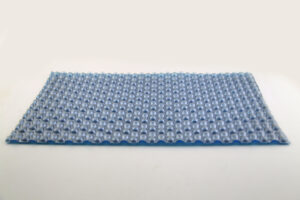
Pool covers are made specifically to endure the realities of living in the pool environment. They can be of clear or non-clear, and the most popular material is made of UV-stabilized vinyl, polyethylene, and poly-propylene. Some of them like the solar pool cover are designed in such a way that they retain as much heat as much as possible while at the same time excluding dirt.
How a Pool Cover Is Used?
This way you can effectively use your pool cover throughout the swimming period of the year to a maximum. This means if the pool is being used in the morning while bathing wear it before you enter the water and put it back immediately after coming out. A transparent pool maintenance covering or what is commonly known as a bubble pool cover is helpful in that it will slow down the rate of evaporation when it is windy during the dry season. Nevertheless, since the cover is made of reflector material, and to avoid heat build up especially during humid days you might need to remove it in the day.
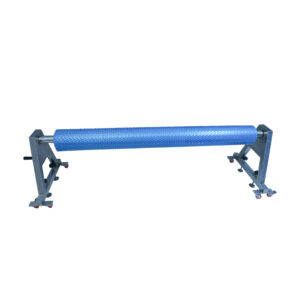
Convenience of the automatic swimming pool cover roller The Out Door Roller for best use of the automatic pool covers savings. It is easy to engage the cover only with a turn of a key and that makes it convenient for pool protection.
The question many people ask themselves is witting of a swimming pool cover.
Here are some strong arguments in favor of installing a pool cover right now:
• Lessens Backwashing: Eliminates the need to clean the backwashing of swimming pools regularly.
• Less Chemical Use: In this way, pool coverings protect the water’s quality from sunshine and debris; they also help maintain proper chemical levels.
• Save Up to 80% on Heating Costs: Otherwise, for example with the help of the solar pool covers it is possible to reduce the heating costs by several times.
• Extended Swim Season: Overall pool enclosure have the ability of provide warmth to your pool hence giving you a longer time for swimming.
• Less Cleaning: Whenever there are dirt and debris on the pool, a pool cover helps to reduce the time that is used in cleaning the pool.
In addition, ease of maintenance of pools becomes a reality with motorized pool covers. These they deliver with all the benefits of a manual cover, but with less work. The options between automatic and manual type has gigantic impacts on energy saving and pool maintenance.
Increased Pocket Money
They help you reduce the amount of water consumed by the pool, the amount of chemicals needed to maintain it and also heat bills for people who may heat the pool. It is cheap since it sets better returns as soon as possible. There is nothing as effective in pushing the usage of the pool even in winter than a pool cover which is relatively cheaper. We offer the best pool covers for any style of pools and if your particularly need large pool covers or unique designs such as swimming pool cover automated India.
AQVASTAR: We are Dedicated to Sustainable Swimming Pool
At AQVASTAR, we specialize in offering high-quality swimming pool coverings that are designed to meet a wide range of needs and preferences. Whether you have a private or commercial pool, we provide tailored solutions that ensure maximum protection, efficiency, and durability. With our flexible time schedules, we take the time to work closely with you, offering individual consultations to determine the best fit for your pool. We are dedicated to helping you find the ideal pool cover, whether it be a manual or automatic option, or we can recommend a look-alike that meets your functional and aesthetic requirements.Our professional team is equipped with the expertise and tools to accurately measure and install your pool cover in just two days, ensuring a fast and hassle-free process. By choosing AQVASTAR, you can enjoy the benefits of an extended swim season, reduced energy costs, and enhanced pool protection. Our products help maintain water temperature, reduce chemical usage, and minimize the time spent on pool maintenance. There’s no reason why you shouldn’t benefit from a high-quality, energy-efficient pool cover that protects your investment, saves electricity, and keeps your pool in optimal condition all year round. With AQVASTAR, you get reliable, durable, and tailored pool cover solutions that work perfectly for your unique needs.
Give us a call today to learn more about our pool cover services and take special benefits for yourself!

The Anatomy of a Swimming Pool
As winter approaches, it’s the perfect time to service your heat pump system. Regular inspection and maintenance of your heat pump are vital for ensuring the highest operating efficiency throughout the colder months. Not only does this help in protecting your investment, but it also assists in extending the life of your heat pump, allowing it to continue providing reliable performance for years to come.
At AQVASTAR, with our expertise in heat pump selection, installation, and maintenance, we offer you a comprehensive maintenance and equipment safety check procedure designed to ensure your heat pump operates efficiently and reliably when you need it the most. A well-maintained heat pump means maximum pool enjoyment and peace of mind.
Here is a detailed breakdown of the 15-point annual maintenance and safety check for your heat pump:
Before starting any maintenance, it’s crucial to check that the voltage supplied to the heat pump is within the specified range. Low or fluctuating voltage can cause the system to underperform or even damage internal components, especially the compressor. Ensure the voltage to the unit is stable and appropriate to avoid any electrical issues.
Over time, internal electrical connections can loosen due to vibration or wear. It’s essential to inspect and tighten any loose connections to prevent potential hazards, such as shorts or overheating, which can damage the unit. This check also ensures the system is operating safely.
The compressor is the heart of the heat pump. A malfunctioning capacitor can cause the compressor to run inefficiently or even fail. It’s important to measure the amp draw of the compressor and compare it to the manufacturer’s specifications. Any irregularities in amp draw should be addressed immediately to prevent further damage.
Maintaining the correct refrigerant pressure is essential for the heat pump to function efficiently. Low refrigerant levels can reduce the heat pump’s heating capacity and cause it to overwork, leading to higher energy consumption. Checking refrigerant pressures ensures the system is running optimally and avoids potential refrigerant leaks.
Airflow is crucial for the heat pump’s efficiency. Blockages in the air intake or poor circulation can lead to overheating, reduced efficiency, and even system failure. Make sure the air intake is free from obstructions, and the airflow is consistent, allowing the unit to function at its peak.
The proper flow of water through the heat pump is vital for effective heating. Low water flow can result in inefficient operation and may cause the heat pump to overheat or become damaged. Ensure that the water flow rate matches the specifications and that there are no blockages or restrictions in the water lines.
The fan motor plays a crucial role in circulating air through the heat pump. If the fan motor’s amp draw is too high, it could indicate an issue, such as an overworked motor or an obstruction in the fan blades. Checking the fan motor’s amp draw helps to identify any potential problems before they lead to a motor failure.
Temperature sensors are responsible for ensuring the heat pump runs efficiently by regulating the system based on the surrounding air and water temperatures. Faulty sensors can lead to improper operation. Regularly checking the accuracy of these sensors ensures that the heat pump provides the correct heating output.
Flow and pressure switches monitor the water flow and pressure within the heat pump. If these switches malfunction, they can prevent the system from functioning correctly. Ensuring they are properly set and functioning is essential for safe operation.
The fan capacitor helps start the fan motor and regulates its operation. If the capacitor is damaged or failing, it can cause the fan to operate intermittently or stop working altogether. Checking and replacing worn-out capacitors can prevent costly repairs later on.
Dirt, dust, and debris can accumulate inside the heat pump cabinet, causing components to overheat or run inefficiently. Cleaning the cabinet ensures optimal airflow and helps protect sensitive parts from contamination.
Clogged condensate drains can cause water buildup, leading to rust and damage to the heat pump. Regularly checking and clearing the drains ensures that excess water flows freely and prevents potential system malfunctions.
If fan blades are misaligned or obstructed, they can cause excessive noise, reduce airflow, and strain the fan motor. It’s important to check the fan blade clearances and make adjustments to ensure smooth operation.
Insects and rodents can damage internal components or cause blockages in the heat pump. Look for signs of nests, chewed wires, or other damage, and take preventative measures to ensure pests don’t compromise the unit’s performance.
Lastly, evaluate the surrounding environment of the heat pump. Water splashes, excessive humidity, or other environmental factors can impact the efficiency and longevity of the unit. Taking note of any issues will help in preventing future damage or wear.
By performing this comprehensive 15-point maintenance checklist, you’ll ensure that your heat pump continues to operate smoothly and efficiently, providing reliable heating for your pool throughout the winter season. Whether you’re a maintenance contractor or a pool owner, taking the time to check these systems will maximize the lifespan of the equipment, prevent unnecessary breakdowns, and ensure that your investment is protected. Share this checklist with your clients, and assist them in maintaining their heat pump systems for optimal performance.

It’s Time for Heat Pump MaintenanceIt’s Time for Heat Pump Maintenance
Heating a swimming pool is a significant decision that depends on several factors, including installation costs, frequency of use, the size of your pool, location, and climate. Choosing the right heater is crucial to ensuring energy efficiency, optimal performance, and comfort. In this guide, we’ll help you determine the correct heating capacity for your pool based on your specific needs and circumstances, enabling you to make an informed decision on the best and most economical way to heat your pool.
The first step in selecting the correct size heater is to decide how warm you want the pool water to be and how quickly you want to raise the temperature. Most pool owners find 28 degrees Celsius (82°F) to be a comfortable temperature for swimming. This is validated by SPATA, the International Pool Standards authority, which recognizes this temperature as optimal for most pools. However, your personal preferences may vary. For example, spas may be heated to a higher temperature, typically between 37–40°C (98–104°F).
Once you’ve determined your ideal pool temperature, the next step is to calculate the average temperature in your area during the coldest month you plan to use your pool. This is crucial because your heater will need to overcome the difference between the outdoor temperature and your desired pool temperature. You’ll also need to account for local weather conditions like humidity, wind chill, and night temperatures, which can affect how much heat your pool loses.
If you live in an area with a dry climate, high winds, or significant temperature drops at night, you should plan for a larger heater. These factors increase heat loss, which means your heater will have to work harder to maintain the desired temperature. In such cases, it may be wise to select a more powerful system to ensure the pool stays warm efficiently.
Now, calculate the temperature rise (ΔT) required to bring the pool water to the ideal temperature. To do this, subtract the average ambient temperature from your desired pool temperature. For example, if the outdoor temperature is 15°C and you want the pool water to be 28°C, the temperature rise required would be 28°C – 15°C = 13°C. This is the amount of heat your heater needs to provide to raise the pool water to your desired level.
This value (ΔT) helps determine the heating capacity needed. The greater the difference between the ambient temperature and your ideal pool temperature, the more energy your heater will need to maintain your desired warmth.
The next step is to measure the pool’s capacity. This is important because the larger the pool, the more energy will be required to heat it. Start by calculating the surface area of your pool. For rectangular pools, this can be done by multiplying the length by the width. After determining the surface area, you’ll need to measure the depth of your pool to calculate its volume. This can be done by multiplying the surface area by the average depth of the pool. Once you have the volume in cubic meters, you can convert it into gallons or liters, depending on the unit of measure you prefer. Knowing the pool’s volume is essential for calculating the heating capacity required.
You must decide how you plan to use your pool and how often it will be used. There are two main heating conditions:
The energy required to heat the pool is usually calculated in Kcal or BTU/hr (British Thermal Units per hour), which represents the energy provided by the heater to maintain the water at the desired temperature. Keep in mind that a pool will gradually lose heat due to evaporation, which can cause the water temperature to drop over time. A pool cover can reduce heat loss by up to 80%, making it a worthwhile investment if you plan to keep the pool heated continuously.
There are various types of heaters available, including gas heaters, electric heaters, and heat pumps. Each type comes in a full range of capacities, so it’s important to select one that matches the specific needs of your pool and climate. Gas heaters are quick and effective, but they tend to be less energy-efficient and more expensive to operate over time. Heat pumps are more energy-efficient, making them ideal for maintaining a comfortable pool temperature throughout the year, especially in mild climates. Electric heaters are another option, though they may not be as energy-efficient as other methods, depending on the local climate and electricity costs.
Choosing the right heater size for your pool can be a complicated process, but AQVASTAR is here to help. Our team of trained pool heating professionals can perform a proper sizing analysis to determine the ideal pool heater for your needs. We will guide you through the selection process, offering expert advice on the best products based on your pool’s size, climate, and intended use. Our line of heat pumps and heaters offers a range of features to ensure you get the most reliable, cost-effective solution for your pool.
At AQVASTAR, we are committed to promoting sustainable swimming pool solutions that help you enjoy your pool year-round while minimizing energy consumption and costs. Reach out to us today for personalized assistance in selecting the right pool heater for your needs.

Best Heater Sizing GuideBest Heater Sizing Guide
Best Dry Deck Fountains
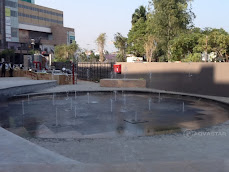
Dry deck fountains are currently very popular and you can find this type of interactive play fountains in various locations, from public parks and parks of shopping malls and water parks, where they provide interactivity for young children. A common factor frequently found in these fountains is that they seek to bring rhythm and movement to the water, turning the space around them into an attractive place for visitors.
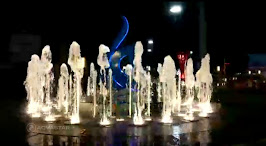
Dry deck fountains are characterized by having a hidden structure, below our feet, which means that we can have a fountain in the same space as a dry environment, when the fountain is not running. We could use the space for other events when fountain is switched off. The entire network of piping, cabling, nozzles been placed in hidden structure. Obviously it would have access openings to service the hidden space.
We have Various type of nozzles for different spray type. With different connection sizes different height shall be achieved in relation with selection of pumps. This allows to achieve different dry deck feeling in every project. Every project is unique as its shape of the layout, orientation of nozzles (which clone the shape of water body) & the type of nozzles. The spray height of nozzle, the movement of nozzle can be variated with quantity of pumps.

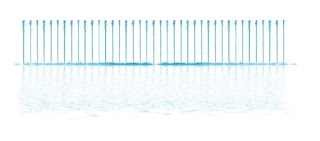
Nozzles moving up & down in a SET,
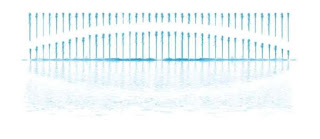
Multiple SET of nozzles moving up & down by different pumps,
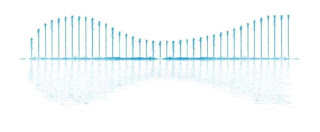
Variation in movement of the nozzles,
Individual nozzles controlled independently but with a common pump for a SET of nozzles
Individual nozzles controlled independently with independent pumps.
All these options comes with lights as that is spectacular in evenings.
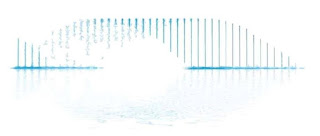
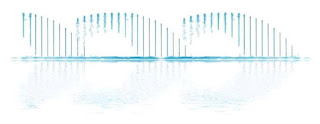
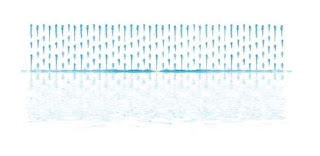
The below PATTERN display would allow to understand better.


Different possibilities of dry deck fountain
For first option, we use a concrete channel, a structure that contains the water for the proper operation of the fountain. This water returns to the tank through a grid placed around it, and through the dry fountain kit, which includes a grill for return and drainage to the tank.
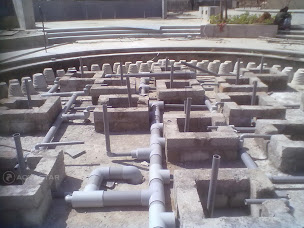
For second option, we use PITS on the locations of nozzles which comes with incoming water supply, Electrical supply & drain provisions. A balancing tank been kept separately in suitable location where after is stored & send back through nozzles & circulates.
The use of a Filtration system is essential & mandatory for better performance of Dry deck nozzles.
Four major possibilities on Nozzle operation point of view

For First simple & competitive option, we use set of nozzles with single or multiple pumps with VFD.
For Second option, we use individual nozzles controlled by TWIN solenoid valves with single or multiple pumps with VFD.
For Third option, we use SPECIAL WATERSWITCH nozzles synced with single or multiple pumps with VFD.
For Fourth option, we use nozzles with individual DMX pumps. This Pattern shall give opportunity “to create FANTASTIC CHOREOGRAPHIC effect”
All four options comes with lights & SS grating as flush arrangement.
AT AQVASTAR, “WE ARE HERE TO ASSIST YOU IN ALL PHASES OF YOUR PROJECT INCLUDING ILLUMINATION FROM INITIAL DESIGN & CONCEPT TO INSTALLATION & COMMISSIONING ASSISTANCE”


Best Swimming Pool Sanitization Methods
Many homeowners struggle while trying to select sanitization systems for their swimming pools because they have many options to choose from. The truth is: no single system is best. Different swimming pools call for different systems. You should therefore consider a number of variables when selecting a sanitization system, including initial costs, maintenance costs, maintenance tasks, climate, and number of swimmers. In this article, I briefly discuss five popular swimming pool sanitization methods and list advantages and disadvantages of each.
Chlorine
Chlorine has historically been the most widely-used chemical for swimming pool sanitization, though several alternative sanitation methods have recently gained popularity. It kills bacteria by undergoing a simple chemical reaction. In this chemical reaction, chlorine breaks down into hypochlorous acid and hypochlorite ions, which then oxidize bacteria until they are neutralized or destroyed.
Advantages of Chlorine Sanitization
Disadvantages of Chlorine Sanitization
Salt Chlorine
Salt chlorine generators utilize a chemical process called electrolysis to form hypochlorous acid from salt and water. The key characteristic that distinguishes salt chlorine from its sanitizing counterparts is its ability to recycle itself. After the hypochlorous acid sanitizes the swimming pool water, it reverts back to salt, and then the process repeats. Salt chlorine generators have gained much popularity with homeowners recently, and the market for them is likely to expand further in the near future.
Advantages of Salt Chlorine Sanitization
Disadvantages of Salt Chlorine Sanitization
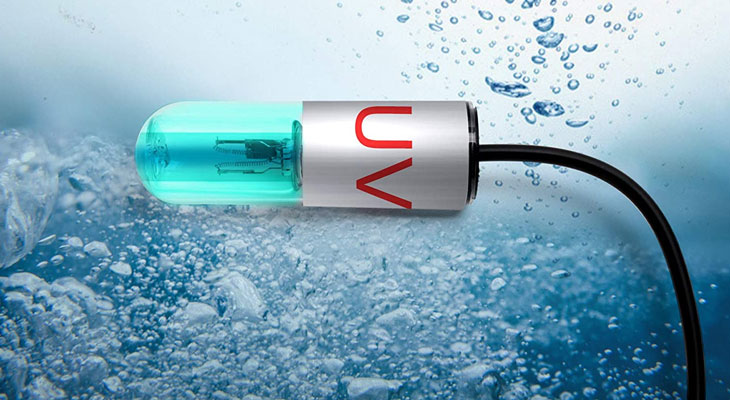
UV
UV Systems has proved that ultraviolet treatment with low levels of free chlorine has major benefits over any of these traditional methods.
The greatest benefit of UV treatment is that short-wave ultraviolet light has a photo-oxidation effect that destroys chloramines and other toxic by-products of chlorine. This is done without adding any further swimming pool chemicals to the water. Much less chlorine needs to be used to provide bacterial control, so water quality and atmospheric conditions are considerably improved.
The primary UV disinfection process destroys all bacteria passing through the treatment plant. In particular, and unlike ozone systems, this protects bathers against bacteria in the filter media re-entering the pool.
Advantages of UV Sanitization
Disadvantages of UV Sanitization
Ozone
Ozone is an unstable, inorganic gas that is created when free oxygen atoms collide with oxygen molecules. It is manufactured by subjecting oxygen molecules to either a high-voltage ionization process or to ultraviolet radiation. Most ozone generators utilize the high-voltage ionization process because it results in a much higher concentration of ozone (20% by the high-voltage ionization process versus 5% by ultraviolet radiation).
Advantages of Ozone Sanitization
Disadvantages of Ozone Sanitization
Conclusion
UV is the best and simple sanitation methods used in modern days. Specially for Indian customers and the quality of labour force we use to maintain pools, UV is undoubtedly best solution to maintain pool. To make more effective UV comes with Ozone these days.